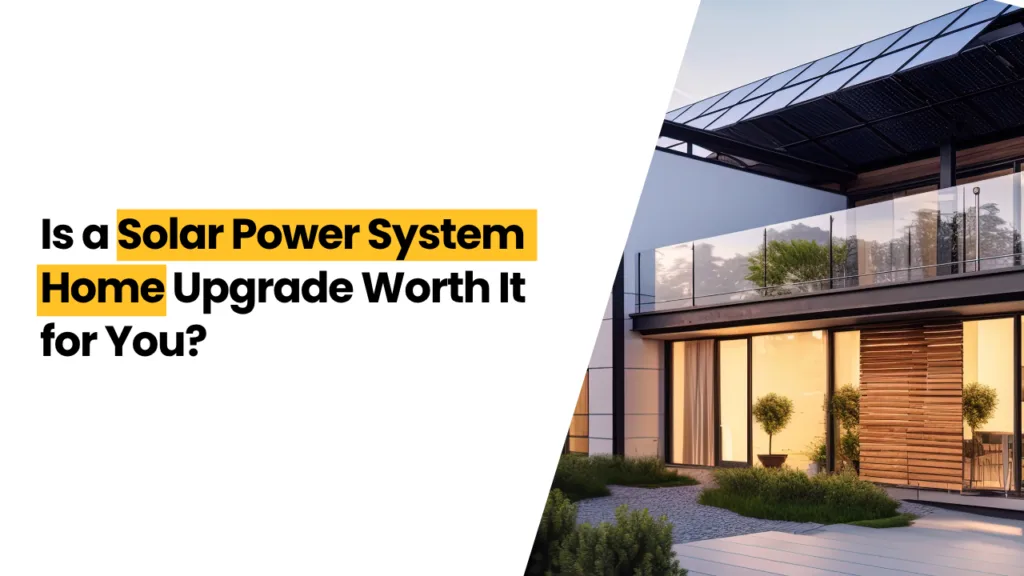
Upgrading to a solar power system home setup is worth it for many homeowners who want lower electricity bills, greater energy independence, and a more sustainable lifestyle. The right system can provide long-term savings, improve property value, and give you confidence that your home is prepared for rising energy costs in the years ahead.
Is a solar upgrade the right choice for your home?
Yes, if your goal is to reduce long-term electricity expenses and gain more control over your energy use, investing in a solar power system home can be a smart decision. The key is choosing a system that matches your household’s energy needs rather than simply following trends.
Every family uses electricity differently. Some homes have growing families, while others work remotely or own electric vehicles. Understanding your daily usage helps determine whether home solar power systems will truly deliver the savings you’re expecting.
A well-designed home solar power system isn’t just about producing electricity. It’s about creating a home that feels more secure, efficient, and prepared for the future. While the upfront investment can seem significant, many homeowners find that the long-term financial and environmental benefits outweigh the initial cost.
How can you tell if your home is suitable?
Most properties with a roof that receives good sunlight are excellent candidates for solar. However, roof condition, available space, and electricity usage all influence the final result.
Before installing a home solar power system, professionals evaluate your roof’s direction, shading from nearby trees, and the average monthly electricity consumption. This ensures the system is designed for maximum efficiency instead of relying on estimates.
Older roofs may need repairs before installation, while newer homes often require very little preparation. Choosing the right home solar power system starts with evaluating your property, not just comparing equipment.
If your roof receives plenty of sunlight throughout the day, a home solar power system can deliver reliable performance for many years.
What benefits do homeowners notice first?
The biggest difference most people notice is greater control over their electricity bills. Instead of worrying about increasing utility prices, they begin producing much of their own energy.
Beyond financial savings, home solar power systems also provide peace of mind. Knowing your home generates clean electricity every day creates a sense of independence that many homeowners appreciate.
Another advantage is property value. Buyers increasingly look for energy-efficient homes, making a professionally installed home solar power system an attractive feature if you ever decide to sell.
Many homeowners also value the environmental benefits. Producing renewable electricity helps reduce reliance on fossil fuels without changing everyday comfort.
Does adding battery storage make a difference?
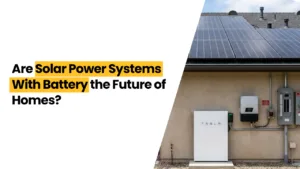
Yes. A home solar power battery system allows you to store excess electricity generated during sunny hours and use it later when the sun isn’t shining.
Instead of exporting unused electricity to the grid immediately, the battery keeps it available for evening use. This can reduce dependence on the grid while providing additional flexibility during peak electricity periods.
For households concerned about power interruptions, a home solar power battery system can also provide backup electricity for selected appliances, depending on the installation design.
Although batteries increase the initial investment, many homeowners believe the added convenience and energy security make them worthwhile over the long term.
What should you compare before making a decision?
Comparing more than just the purchase price helps you find better long-term value. Choosing the cheapest option isn’t always the smartest investment.
| What to Compare | Why It Matters | Questions to Ask |
| System Size | Matches your energy needs | Will it cover future usage? |
| Panel Quality | Affects long-term performance | What warranty is included? |
| Battery Option | Improves flexibility | Is a battery suitable now or later? |
| Installation | Impacts efficiency | Is the installer experienced? |
| Support | Protects your investment | What happens after installation? |
When comparing solar power systems for homes, remember that quality installation often has a greater impact than simply choosing premium equipment.
Can solar save money in the long run?
Yes, but savings depend on your electricity usage, local energy prices, and system design. Homes with higher daytime electricity consumption often see greater financial benefits.
Installing a solar power system for homes reduces the amount of electricity purchased from the grid. Over several years, those savings can become substantial, especially as utility prices continue to change.
Many homeowners see a home solar power system as protection against rising electricity costs rather than just another household expense. That perspective often makes the investment easier to appreciate.
Choosing a reliable system and experienced installer can also help reduce maintenance costs over the life of the system.
Are there mistakes you should avoid?
Absolutely. The biggest mistake is buying a system based purely on price without understanding long-term performance.
Another common issue is selecting equipment that doesn’t match household demand. Oversized or undersized systems may not provide the expected return on investment.
When reviewing quotes for solar power systems for homes, don’t hesitate to ask detailed questions. Reputable companies explain every recommendation instead of pushing unnecessary upgrades.
Likewise, don’t choose an installer based only on claims of offering the “best” solar system. Real value comes from careful planning, honest advice, and professional workmanship.
How do you choose the right setup?
The best setup reflects both your current lifestyle and your future plans. A growing family will likely have different energy needs than retirees or single homeowners.
Some households benefit from a simple solar power home system, while others prefer adding storage through a home solar power battery system to maximise independence.
If you’re planning home renovations, electric vehicle charging, or expanding your household, mention those plans during your consultation. Designing for tomorrow often prevents expensive upgrades later.
A professionally designed system is tailored to your actual energy usage rather than assumptions.
What steps should you follow before upgrading?
The process becomes much easier when you move through each stage carefully instead of rushing the decision.
1. Review Your Electricity Bills
Study your usage over the past twelve months. This provides a realistic picture before investing in a solar power system home.
2. Assess Your Roof
Check roof age, condition, and sunlight exposure. A strong roof helps your home solar power system perform reliably for decades.
3. Think About Future Energy Needs
Electric vehicles, new appliances, and family growth all influence which solar power system for home will deliver the greatest value.
4. Decide on Battery Storage
Consider whether a home solar power battery system fits your lifestyle, especially if evening energy use is high.
5. Compare Multiple Quotes
Focus on experience, warranties, installation quality, and long-term support rather than choosing the cheapest proposal.
6. Choose Trusted Professionals
Experienced installers know how to design efficient systems that deliver reliable performance for years.
Ready to Make Your Home More Energy Efficient?
Choosing a home solar power system isn’t simply about installing panels; it’s about creating a home that’s prepared for the future. Whether you’re comparing different home solar systems or planning your first installation, the right guidance makes every decision easier. At MJM Solar, we believe every homeowner deserves honest advice, quality workmanship, and solutions built around real-life energy needs.
Ready to discover what solar can do for your home? Contact MJM Solar today and take the first step toward cleaner, more affordable energy.