The cost of a family-sized solar system in Australia varies widely depending on system size, equipment, installation requirements, and location. Federal incentives can reduce the upfront price for eligible systems, but the final amount you pay depends on your specific installation. Understanding these factors can help you compare quotes and choose a system that fits your home and budget.
How Much Does One Solar Panel Cost in Australia?
A panel is one of the cheaper parts of the job. Installed, the cost of a solar panel grows once the inverter, labour, and rebate are spread across the whole system.
Why the gap? Nobody buys one panel and bolts it to a roof. You’re buying a package, and the panels are one slice of it. So when someone asks, “How much does one solar panel cost in Australia?” the honest answer is “it depends on what you count.”
Good to know: Panel pricing varies by brand, model, efficiency, warranty, and supplier. Compare the full system quote rather than judging a panel solely by its price per watt.
What Does a Whole System Cost?
System size has a major influence on the total price. A 5kW system may suit a smaller household, while larger homes or households with higher electricity use may need 6.6kW, 10kW, or more. The table below provides a starting point, but your usage and roof conditions should determine the final system size.
| System size | Panels (approx.) | Best suited to | Relative cost |
| 5kW | 10–12 | 1–2 people, modest bills | Lower |
| 6.6kW | 12–15 | 3–4 people, the usual family home | Middle |
| 10kW | 18–22 | Big homes, EVs, heavy daytime use | Higher |
Treat these figures as a guide, as solar installation costs across Australia vary by state, roof conditions and installer.
Is Solar Still Getting Cheaper?
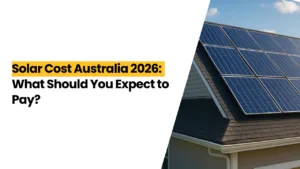
Solar pricing in 2026 depends on equipment costs, installation conditions, location, system size, and available incentives. Rather than assuming prices will fall, compare current quotes carefully and consider the total value of the system, including warranties and installation quality.
The Clean Energy Regulator reported that a record 1GW of rooftop solar was installed during the June quarter of 2026, exceeding the previous quarterly record of 942MW from late 2023. This highlights the continued strength of Australia’s rooftop solar market.
Why Do Quotes Vary So Much?
Because no two jobs are the same. Equipment tier, inverter type, roof complexity, location, and installer all move the price, and two quotes for the same system can sit a long way apart.
- Panel tier: Premium brands cost noticeably more than budget options, in exchange for efficiency and longer warranties.
- Inverter: Microinverters carry a premium over a string inverter, but handle shade far better.
- Roof and switchboard: Tile roofs, steep pitches, second storeys and ageing switchboards all add labour.
- Location: Solar installation prices can vary between Australian states and cities because of differences in labour, competition, roof conditions, and local installation requirements.
- Installer: Overheads, warranty backing and aftercare all end up in the price.
Good to know: The cheapest solar option isn’t necessarily a bad choice, but very low prices can sometimes mean shorter warranties, cheaper equipment, or less support after installation.
How Does the Rebate Work?
For eligible small-scale solar systems, the federal Small-scale Renewable Energy Scheme (SRES) provides financial support through small-scale technology certificates (STCs). The value of these certificates is generally assigned as an upfront discount on the system price rather than being paid directly to the homeowner.
This discount is the main reason the costs of solar panels look so friendly here, and why solar panels cost Australia households far less than in many other countries. There’s a catch, though. The number of STCs available for eligible systems generally decreases as the scheme’s deeming period reduces toward 2030. This means the upfront incentive can change over time, so confirm the current STC value when comparing quotes.
Does a Battery Change the Cost?
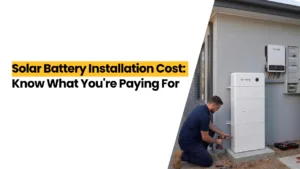
Yes. A battery is a separate cost on top of your panels, so ask for solar-only and solar-plus-battery quotes side by side and see which one actually suits your budget and your evenings.
Federal battery incentives have eligibility requirements, which can change over time, so confirm the current rules and eligible equipment before relying on the incentive when calculating your total solar cost.
How Long Does It Take for Solar Panels to Pay for Themselves?
Solar payback depends on installation costs, electricity prices, feed-in tariffs and household energy use. Estimate your payback by dividing the net system cost by your expected annual electricity bill savings.
The trick is timing. Run the dishwasher, washing machine, and pool pump while the sun is up, because a kilowatt-hour you use beats one you export for a low feed-in rate. The cost of a solar panel is small next to what it can save over 25 years.
How Do I Get a Fair Quote, Step by Step?
Compare at least three written quotes on the same terms. Match system size, panel and inverter models, warranties and inclusions, then look at the price per watt rather than the headline cost of solar panels.
- Read your bill. Note your daily usage and when you use it. Your bill is the other half of the solar energy cost equation.
- Request three quotes. Include a local installer who will inspect your roof in person, then ask neighbours what they paid. Solar panels cost Australia-wide varies a lot, but your street is a fair reference point.
- Check accreditation. Confirm Clean Energy Council accreditation and that the panels and inverter are on the approved list. The regulator suspended 21 companies from the scheme in a single quarter this year.
- Compare like with like. Ask each installer what one panel works out to, so “how much does one solar panel cost in Australia” gets an answer for your roof, not an average.
- Ask what’s missing. Switchboard upgrades, scaffolding and meter changes can be extra. Get them in writing.
Do these five things and your solar cost Australia budget stops being a guess and becomes a plan.
FAQs
Will the costs of solar panels fall further?
Hardware has mostly flattened, and the rebate shrinks each year toward 2030. Waiting rarely lowers the solar cost Australia buyers pay; it mostly delays your savings. A good quote today usually beats a hoped-for one later.
Does panel brand really matter?
Yes, though installation quality matters more. A good installer with mid-range gear often beats a poor one with premium panels, so don’t let the cost of solar panels alone decide. Check warranties and local support.
How much does one solar panel cost in Australia if I only need a few?
Small add-ons rarely follow per-panel maths. Installers charge a base fee for labour and paperwork, so adding two or three panels often costs more per panel than a full install. Ask for a firm quote.
How much roof space do I need?
Each panel covers about 1.8 to 2 square metres, so 15 panels need roughly 27 to 30 square metres of unshaded roof. North-facing is best in Australia, though east and west can still work well.
Get a Solar Quote for Your Home
The cost of solar depends on your roof, electricity usage and system requirements. MJM Solar can help you compare suitable options and understand the costs involved. Request a personalised quote to find a solar solution that fits your home and budget.
Request a quote from MJM Solar today and swap solar cost Australia guesswork for a figure you can plan around.