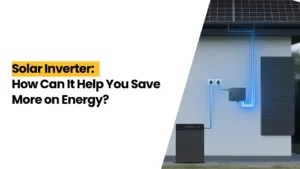
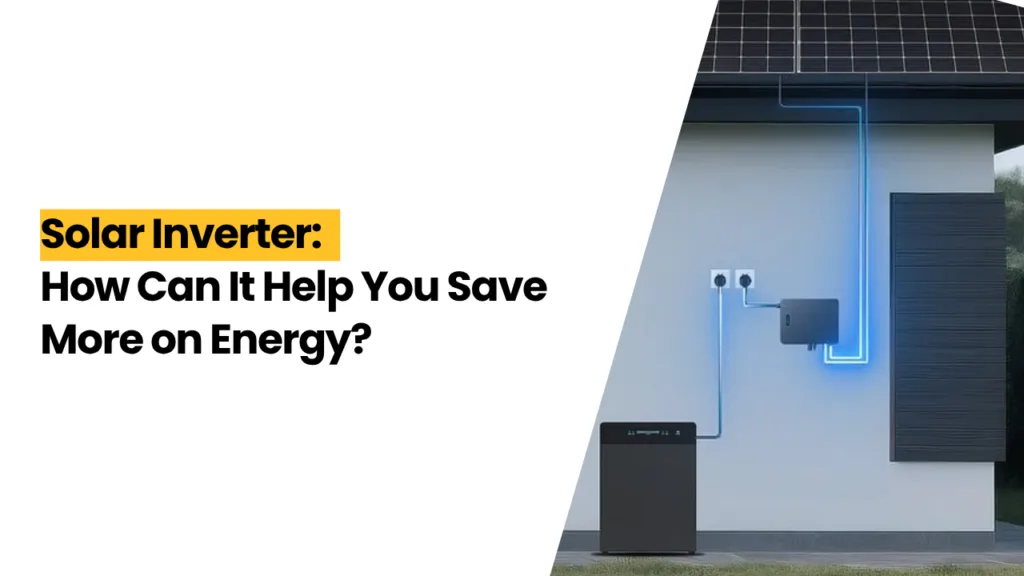
A solar inverter can lower energy costs by converting electricity from panels into usable household power and directing more generation toward your appliances. When properly sized, it can reduce grid purchases and improve daytime self-consumption.
How does it lower your electricity bill?
A solar inverter lowers bills by changing the DC electricity produced by panels into AC electricity your appliances can use. Using more generated power means buying less from the grid.
Timing matters. A solar setup can supply appliances while panels are producing power, especially during bright daytime hours. This can make major daytime loads more economical to run.
Think of solar and inverter equipment as one working chain. Compare solar inverter options based on overall system fit, not just sticker price. Panels generate electricity, while the inverter converts and manages it.
What does it do besides conversion?
A modern solar inverter can monitor output, manage battery charging, detect faults, and provide performance information through an app or display. Those features can make energy use easier to understand.
In a solar power system, panels produce DC electricity while household circuits generally use AC. The inverter handles that change while maintaining the electrical characteristics needed for safe operation.
A well-designed solar inverter system can make problems easier to spot. Monitoring may reveal shading or equipment issues early.
Which features matter most for savings?
The most useful features are the ones that match your electricity habits. Efficiency, MPPT tracking, monitoring, battery compatibility, and load-management options can all influence how much generated energy becomes useful power.
| Feature | Saving benefit | Best suited for |
| High efficiency | Limits conversion losses | Daily solar use |
| Maximum Power Point Tracking | Helps panels work near useful output | Variable sunlight |
| Monitoring | Reveals production patterns | Usage-conscious homes |
| Battery support | Stores surplus energy | High evening demand |
| Load control | Shifts power toward selected appliances | Flexible daytime loads |
For many homes, the best inverter is not necessarily the most expensive. Equipment choices should follow your electricity usage, system size, and future upgrade plans. A properly matched system can provide better value without paying for unnecessary capacity.
Can it increase self-consumption?
Yes. An inverter solar panel setup can increase self-consumption by making it easier to use generated electricity directly rather than buying grid power at the same moment.
This matters when production and consumption happen at different times. A household may generate plenty at midday but use most of its electricity in the evening. Without storage or flexible loads, some daytime generation may have limited value.
A solar inverter with monitoring can reveal this mismatch. Homes that need stronger storage control may benefit from a model designed to work with battery systems. Once you know when production peaks, you can shift suitable activities into those hours.
Does battery storage make it cheaper?
Battery storage can improve the financial value of solar electricity, but it does not automatically make every installation cheaper. The result depends on battery cost, electricity prices, usage patterns, backup needs, and how much surplus would otherwise go unused.
A model that supports batteries can store excess daytime production for later use. This is particularly useful for homes with strong evening demand because stored energy can reduce grid purchases after production drops.
Before adding storage, compare its expected savings with purchase and replacement costs.
How should you size the system?
The right size starts with your electricity bills, not the maximum number of panels that fit on the roof. Look at monthly consumption and identify which appliances use the most power.
The inverter should be selected alongside the panels, household loads, wiring, protection equipment, and future expansion plans. The goal is a balanced system in which the major components work together efficiently.
System sizing should also account for roof orientation, shading, temperature, available space, and local grid requirements. Good planning helps prevent you from paying for capacity your home rarely uses while ensuring the system can meet your expected energy needs.
What does the latest solar market data show?
Solar is no longer a small part of the energy market. IRENA reported that 511 GW of solar capacity was added worldwide in 2025, making up roughly 75% of all renewable capacity additions during the year.
That growth also means solar systems are becoming more important to everyday electricity use. As installations increase, choosing efficient equipment and properly matching system components can make a noticeable difference to performance and long-term savings.
How can you build a system for better savings?
- Review your bills: Find monthly consumption and major energy loads.
- Study your routine: Note which appliances run during daylight and after sunset.
- Check the roof: Assess usable space, orientation, shade, and panel placement.
- Choose equipment: Match panels, inverter capacity, wiring, protection, and storage.
- Shift flexible loads: Use suitable appliances during stronger production periods.
- Monitor results: Compare actual production with expected performance.
- Review the economics: Consider tariffs, maintenance, savings, and future needs.
A good setup should make financial sense before installation begins. Look beyond the solar inverter price and consider expected generation, installation quality, service, maintenance, and how your household will actually use the electricity.
FAQs
How does an inverter save electricity?
A solar inverter converts the DC electricity produced by your panels into AC power that your home can use. By using more solar-generated electricity, you can reduce how much electricity you need to buy from the grid.
Is a bigger inverter always better?
No. A larger inverter is not automatically more efficient or cost-effective. Its capacity should match your solar panels, expected electricity production, and household demand so you are not paying for capacity you rarely use.
Can solar power work at night?
Solar panels cannot generate electricity without sunlight, so they do not produce power at night. However, a battery can store excess daytime energy and supply your home after sunset, reducing your dependence on grid electricity.
Does shade affect solar performance?
Yes, even partial shading can reduce the amount of electricity your panels generate. Proper panel placement, efficient system design, and suitable power-tracking technology can help limit the impact of unavoidable shade.
Should I add a battery immediately?
Not necessarily. A battery makes more sense when you use significant electricity after sunset, need backup power, or have surplus solar generation during the day. Compare its cost with your expected energy savings before investing.
How long does an inverter last?
An inverter’s lifespan depends on its model, operating conditions, installation quality, and maintenance. When comparing options, check the warranty period, manufacturer support, replacement costs, and availability of local technical service.
Could MJM Solar help you plan smarter?
Choosing equipment should not feel like comparing a wall of technical numbers. MJM Solar can help you assess energy use, property requirements, and future goals so the system is designed around how you actually consume electricity.