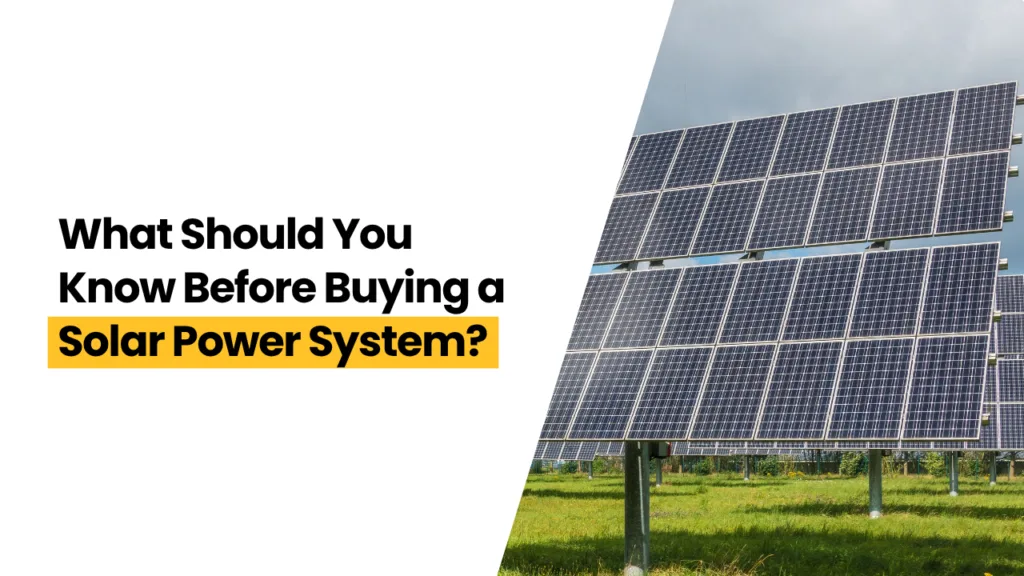
Buying a solar power system is a long-term investment that can lower electricity costs, improve energy independence, and increase property value. Before making a decision, you should understand your energy needs, system size, installation quality, warranty coverage, and whether features like battery storage are worth adding for your lifestyle.
What factors matter most before choosing a solar setup?
The most important factor is choosing a solar system that matches your actual energy usage rather than simply buying the largest system available. A well-planned solar power system performs better, lasts longer, and delivers greater value over time.
Many homeowners start by comparing prices, but the smartest approach is to compare value instead. Look at your average electricity bills, roof condition, available sunlight, and future energy goals. A family planning to add electric vehicles or expand their house may need a different setup than someone simply trying to reduce monthly expenses.
Installation quality is just as important as the equipment you choose. Even premium equipment can underperform if it is poorly installed. That’s why working with experienced professionals is just as important as choosing quality panels.
Planning for future electricity needs can help you avoid costly system upgrades later.
How do you choose the right system size?
The right size depends on your daily electricity consumption, available roof space, and long-term plans. A larger system isn’t always the best choice because paying for unused capacity increases your upfront cost.
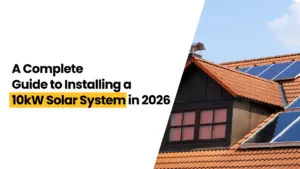
A small household may only require a modest installation, while larger families with heavy electricity usage could benefit from something like a 10kw solar power system. This size is often suitable for homes with multiple air conditioners, electric appliances, or home offices.
Future plans matter too. If you expect your electricity usage to grow, designing your solar power system home around future demand can save money compared to expanding the system later.
Professional energy assessments make these decisions much easier because they rely on actual consumption instead of estimates.
Common Solar System Sizes
| Household Type | Recommended Size | Best For | Battery Recommended? |
| Small home | 3–5kW | Low electricity usage | Optional |
| Medium family | 5–8kW | Average households | Recommended |
| Large family | 10kw solar power system | High electricity demand | Highly Recommended |
| Business property | Custom design | Commercial operations | Depends on usage |
How does a battery change your experience?
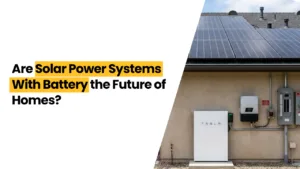
A battery stores excess electricity generated during the day so you can use it later. This increases energy independence and helps reduce reliance on the electricity grid.
A solar power system with a battery becomes especially valuable during evening hours when solar panels stop producing electricity. Instead of purchasing power from the grid, you can use the energy stored throughout the day.
Many families also appreciate the added security. Depending on the system design, batteries may provide backup power during outages, keeping essential appliances running.
While batteries increase upfront costs, they often improve long-term convenience and energy flexibility. For many homeowners, a system with a battery offers peace of mind that extends beyond simple electricity savings.
How does a solar power system work?
A solar power system works by converting sunlight into electricity using solar panels, then directing that electricity through an inverter so it can safely power your home or business.
If you’ve ever wondered how a solar power system works, the process is actually straightforward. Sunlight reaches the panels, generating direct current (DC) electricity. The inverter converts that energy into alternating current (AC), which household appliances can use immediately.
Any unused electricity may either flow back into the grid or charge a battery, depending on your setup.
Understanding how a solar power system works helps buyers make better decisions because they know exactly where their electricity comes from and how each component contributes to overall efficiency.
Why is installation quality more important than brand names?
Even excellent equipment cannot deliver strong results without professional installation. Proper design ensures your system captures the maximum amount of sunlight throughout the year.
Roof angle, shading, ventilation, cable routing, and inverter placement all influence performance. Experienced installers carefully assess these details before beginning installation.
Reliable companies also provide clear warranties, after-sales support, and ongoing maintenance advice. These services often become more valuable than simply purchasing premium hardware.
Whether you’re comparing power systems solar providers or reviewing different panel manufacturers, installation expertise should always remain a top priority.
What should businesses consider before investing?
Businesses have different energy requirements than residential properties. Their systems are designed around operating hours, equipment loads, and future expansion.
A commercial solar power system can significantly reduce operating expenses while improving sustainability goals. It can also strengthen a company’s sustainability goals and brand reputation.
Unlike residential projects, commercial installations often require more detailed planning, including electrical infrastructure assessments and long-term energy forecasting.
Choosing the right commercial solar power system means balancing installation costs with expected savings over many years.
Are local conditions important when choosing solar?
Yes. Climate, sunlight hours, local regulations, and installer experience all influence system performance.
For homeowners researching solar power systems Perth, local weather patterns and council requirements should always be considered during planning. Experienced local installers understand seasonal conditions and can recommend suitable equipment.
People exploring solar power systems Perth often benefit from systems specifically designed for the area’s climate, helping improve long-term efficiency and reliability.
Working with an experienced local installer can also simplify approvals and speed up installation.
What should you compare before signing a contract?
Compare more than just the price to avoid costly surprises after installation. A complete proposal should clearly explain everything included in the installation.
- System Size: Make sure it matches your current and future electricity needs.
- Warranty Coverage: Compare product, inverter, workmanship, and performance warranties.
- Installer Experience: Review certifications, completed projects, and customer feedback.
- Battery Options: Decide whether a solar power system with a battery suits your lifestyle.
- Expected Savings: Request realistic production estimates rather than optimistic promises.
- Maintenance Support: Understand what happens if servicing is needed years later.
Comparing these details creates confidence before making such an important investment.
What are the steps before buying?
The buying process becomes much easier when you follow a structured approach instead of rushing into a purchase.
1. Review Your Electricity Usage
Study at least twelve months of electricity bills to understand seasonal consumption. This helps determine the right solar power system for your property.
2. Define Future Energy Goals
Think beyond today’s needs. Electric vehicles, home renovations, and family growth may influence whether a 10kw solar power system is a better long-term investment.
3. Compare Professional Quotes
Don’t focus only on price. Compare warranties, equipment quality, installer experience, and customer support before making your decision.
4. Decide on Battery Storage
Consider whether a solar power system with a battery aligns with your energy habits, backup power needs, and future electricity costs.
5. Review Installation Details
Understand timelines, roof preparation, permits, maintenance requirements, and warranty conditions before signing any agreement.
6. Plan for Long-Term Performance
A quality installation should continue producing reliable energy for decades with routine inspections and occasional cleaning.
Ready to Choose the Right Solar Partner?
Buying a solar power system shouldn’t feel confusing or overwhelming. The right advice makes every decision easier, from selecting the ideal 10kw solar power system to understanding home solar power systems that fit your lifestyle. Whether you’re exploring residential solutions or a commercial solar power system, MJM Solar is committed to helping you make informed decisions with honest guidance, professional installation, and long-term support.
Contact MJM Solar today and take the first confident step toward cleaner, smarter energy.