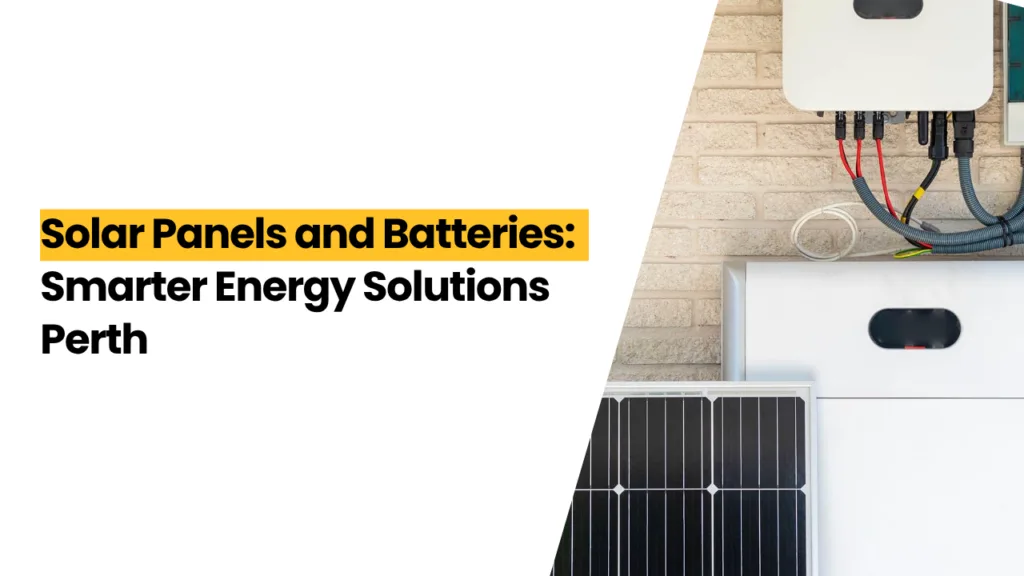
Solar panels and batteries make a useful pair for Perth homes. Your panels generate electricity during the day, while a battery stores the surplus instead of letting it go to waste. When the sun goes down, that stored energy can power your home, helping you rely less on the grid and get more from the solar system on your roof.
Why Does Perth Suit Solar and Storage?
Perth gets strong solar generation for much of the year, while many households use more electricity in the late afternoon and evening. A battery can shift surplus daytime solar into those higher-demand hours, helping households use more of their own solar energy.
Picture a normal weekday. The house is empty by nine, the roof is flat out at noon, and nobody is home to enjoy it. Then everyone walks in at six, the air conditioner switches on, and the sun is long gone.
That mismatch is why batteries and solar power are now discussed as a pair instead of two separate purchases. The roof does the making, and the battery fixes the timing.
How Many Perth Homes Already Have This?
Plenty, and the number keeps growing. Solar panels for residential use are installed on a large share of Western Australian homes, and battery installations are also growing as more households look to store surplus solar energy for later use.
More than 22,000 households and businesses in the state installed a battery in just over six months under the federal Cheaper Home Batteries Program, according to ESD News’ report on the government release.
A few years ago, batteries for solar panels felt like a gadget for tech fans. Now interest in solar panel batteries is mainstream, and for many households, solar panels and batteries arrive in two steps: roof first, storage later.
What Does a Battery Do All Day?
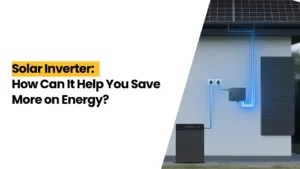
It stores the solar power your house doesn’t use during the day and releases it when you need it later. Most days, that means running your evening off your own roof instead of the grid.
Here’s the daily rhythm in plain terms:
- Morning: The panels wake up, the house takes what it needs, and the leftover starts filling the battery.
- Midday: Output peaks. Once the battery is full, extra power heads out to the grid.
- Evening: Demand spikes, the sun fades, and stored energy takes over from the grid.
- Overnight: Whatever remains keeps the fridge and standby gear ticking until sunrise.
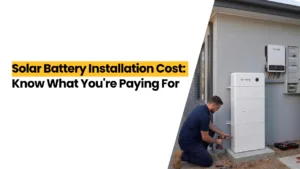
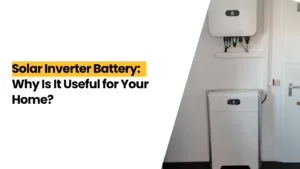
A solar panel battery is usually a slim unit on a garage wall or outside the house, and it asks for very little attention.
Which Setup Suits My Home?
Match the system to your habits, not your neighbour’s. Daytime-heavy homes need little storage, while evening-heavy households, big families and electric vehicle owners usually get more from a larger battery.
Solar panels for residential use are never one-size-fits-all, and solar panel batteries come in many capacities, so this table shows how different households tend to line up.
| Household | When power is used | Suggested setup | Battery priority |
| Couple, out all day | Mornings and evenings | Medium array, small battery | Medium |
| Family with school-age kids | Late afternoon to bedtime | Medium array, mid-size battery | High |
| Works from home | Steady through the day | Larger array, optional battery | Lower |
| Owns an electric vehicle | Evenings and overnight | Large array, large battery | High |
| Retired, pool pump by day | Mostly daytime | Panels first, battery later | Lower |
These setups are general examples, not fixed recommendations. The right solar system and battery capacity depend on your electricity consumption, evening usage, roof space, solar generation and budget.
Will a Battery Really Save Me Money?
A home battery can reduce electricity costs by storing surplus solar energy for use in the evening. However, the savings depend on your electricity tariff, battery capacity, installation cost and household energy usage. Compare the expected annual savings with the upfront battery cost before deciding whether a battery is worthwhile.
The best battery for solar panels is one sized around your typical energy use, particularly your evening demand, rather than simply choosing the largest available model.
Incentives may also reduce the upfront cost of batteries for solar panels. Western Australian and Australian battery programs can have specific eligibility rules, rebate amounts and installation requirements, so check the current requirements before choosing a system.
Then there’s your retailer. Some offer solar battery energy plans built around storage, with different rates for peak, off-peak and exports. Compare two or three solar battery energy plans against your real usage, favouring retailers who reward batteries and solar power.
Will It Keep the Lights On in a Blackout?
Only if it was installed for that. Standard grid-connected solar systems generally shut down during a grid outage for safety, while a battery system needs suitable backup equipment and circuits to continue supplying power. Tell your installer upfront if you want your solar panel battery system to provide backup during outages.
Backup usually powers chosen circuits, like the fridge, lights, and internet, rather than the whole house. Plan it before installation, not after.
How Do I Plan It Step by Step?
Start with your bill, then size the system, collect written quotes, check credentials, and confirm warranties. That order keeps the decision yours.
- Read your bill. Note your evening usage, not just the total. That tells you whether solar panels and batteries together make sense or whether panels alone will do.
- Check your roof. Direction, shade and age all matter, and a north-facing roof with few trees is ideal.
- Pick a size. Solar panel batteries are sold by usable capacity, so compare that figure, not the headline number on the box.
- Get three quotes. Ask every installer to itemise the panels, inverter, battery, installation costs and warranties. Compare quotes using the same system specifications to assess the total price fairly.
- Verify credentials. Check accreditation and confirm the products qualify for current incentives in Western Australia.
- Ask about aftercare. Find out how long the battery is covered and who you ring when something beeps at 2 a.m.
FAQs
How long do home batteries last?
Most come with warranties of around ten years, and many keep working beyond that with slowly reducing capacity. Check the warranty’s guaranteed capacity figure, which tells you what to expect in year ten.
Can I add a battery to the solar I already have?
Often, yes. Retrofitting batteries for solar panels you already own depends on your inverter, so an installer needs to check it first. Some homes need a hybrid inverter; others use an AC-coupled unit.
Do batteries and solar power still work on cloudy days?
Yes. Solar panels can still generate electricity on cloudy days, although output is usually lower than in direct sunlight. Your home can use available solar generation, stored battery energy or grid electricity, depending on system output, battery charge and household demand.
Is a solar panel battery safe at home?
Solar panel batteries can be safely installed when the battery, location, and installation meet applicable Australian requirements. Placement depends on the battery manufacturer’s specifications and installation requirements, so use a qualified installer and follow the manufacturer’s clearance and location guidelines.
Do solar panel batteries need much maintenance?
Very little. Keep vents clear, watch the app for alerts, and install software updates. Ask your installer whether a periodic check is included.
Looking for Solar Panels and Batteries in Perth?
The right solar and battery setup depends on your home, energy use, and how much power you want available after sunset. MJM Solar can assess your roof and electricity needs, then recommend a practical system with a clear quote based on your property.
Request your quote and see how solar panels and batteries could help your Perth home make better use of its own energy.