Rising electricity costs are making it harder for many households to manage their monthly expenses, especially when energy bills arrive. In response, more families are turning to residential solar panels as a long-term solution to take control of their energy use.
For many homeowners, solar panel installation is no longer a luxury; it’s a practical upgrade that offers stability, lower bills, and peace of mind. Something is reassuring about generating your own power instead of relying entirely on the grid, especially as energy prices continue to rise without warning.
Why Homeowners Are Shifting Toward Solar
Energy unpredictability is one of the biggest concerns today. People often ask: Why are electricity bills increasing even when usage stays the same? Because pricing is influenced by external fuel costs and demand, not just individual consumption.
This is where residential solar installation starts to make sense. Instead of reacting to rising prices, homeowners begin producing part of their own electricity, reducing reliance on external systems.
Many households also explore solar energy residential setups because they want more predictable monthly costs. Over time, this shift creates a noticeable difference in financial planning and energy comfort.
Understanding Residential Solar Systems
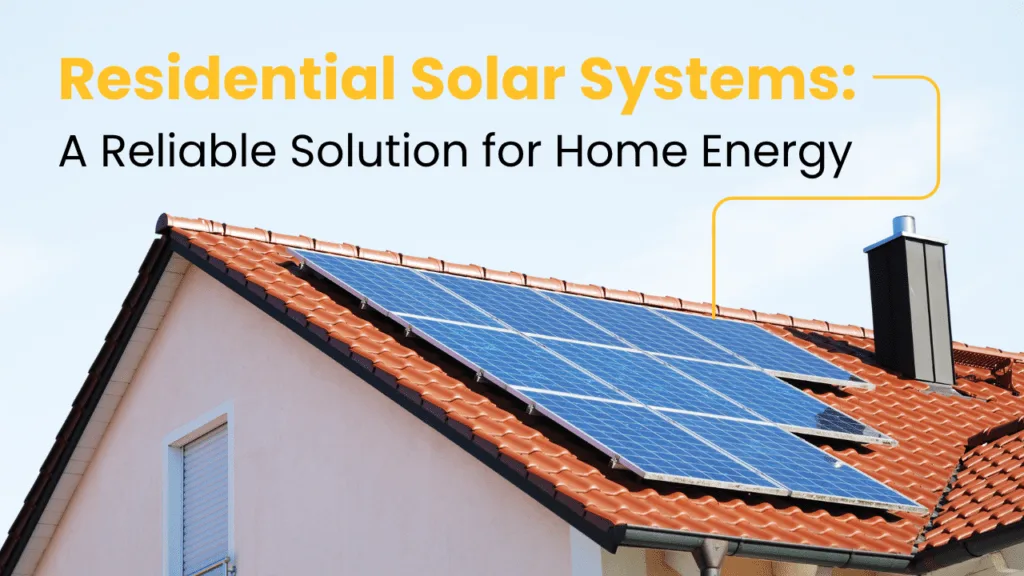
At its core, a home solar setup is designed to convert sunlight into usable electricity through panels installed on rooftops. A properly designed residential solar panel system ensures that energy is produced efficiently and used effectively throughout the home.
Modern systems are not complicated to manage. In fact, many homeowners are surprised by how simple the experience becomes once installation is complete.
Another common question is: Do I need technical knowledge to manage a solar system? Not at all. Once a residential solar panel installation is complete, most systems run automatically with minimal input required.
This ease of use is one of the main reasons adoption continues to grow.
The Installation Journey Explained
The process of residential solar installation usually begins with an energy assessment. This helps determine how much power a home consumes and what system size is suitable.
From there, planning and positioning of residential solar panels take place to maximize sunlight exposure. Once installed, the system is tested and connected to ensure smooth operation.
A well-executed residential solar installation is not just about placing panels; it’s about designing a system that fits a household’s actual lifestyle.
Many homeowners ask: How long does installation usually take? A standard residential solar panel installation can be completed within a few days, depending on system size and roof structure.
Professional planning ensures that everything from wiring to energy distribution is handled safely and efficiently.
How Solar Changes Daily Home Life
Once installed, the benefits of residential solar panels become noticeable quite quickly. Electricity usage feels more controlled, and households begin relying less on grid power during the day. Over time, this shift also helps families better understand how and when they consume the most energy.
With solar panels on residential rooftops, homes start producing energy during peak sunlight hours, which helps reduce monthly bills. This makes daytime electricity usage significantly more efficient without requiring any change in daily routine.
Some families also prefer upgrading to residential solar power installation systems that include better inverters or storage options for improved efficiency. These upgrades often help improve overall system performance and ensure more consistent energy availability throughout the day.
The Role of Location in Solar Performance
Geography plays an important role in system efficiency. For example, residential solar panels in Perth have become increasingly popular due to the strong sunlight availability throughout the year.
In such regions, residential solar panels Perth offer higher energy generation potential, making them an attractive option for homeowners looking to maximize savings.
Local conditions also influence system design, ensuring that each residential solar installation is optimized for performance in its specific environment.
Cost vs Long-Term Value
One of the first concerns people have is cost. While the upfront investment varies, the long-term benefits often outweigh initial expenses.
The residential solar panel system helps reduce dependency on grid electricity, which means lower bills over time. Similarly, a properly designed residential solar panel installation can increase property value and energy independence.
Another frequently asked question is: Is the investment worth it in the long run? Yes, most households find that solar energy residential systems pay back through savings and improved energy control over time.
Instead of paying rising bills every month, homeowners begin investing in their own energy production.
Practical Benefits Homeowners Notice First
After installation, people often notice small but meaningful changes:
Lower daytime electricity usage
Reduced pressure during peak hours
More control over consumption patterns
With solar panels on residential rooftops, energy becomes something you generate rather than just purchase.
Families using residential solar installation systems also report fewer concerns about sudden bill spikes, especially during high-demand seasons.
The emotional benefit is just as important; there is comfort in knowing your home is partially powered by a system you control.
A More Independent Way to Live
Energy independence is becoming a major goal for many households. Instead of relying entirely on external supply, families are shifting toward residential solar panels as a long-term solution.
A complete residential solar installation allows homes to function more efficiently and reduces exposure to unpredictable price changes.
When paired with thoughtful design, residential solar installation becomes more than just a technical upgrade; it becomes a lifestyle improvement.
Why Professional Installation Matters
A well-planned residential solar panel installation ensures safety, efficiency, and long-term performance. Poor installation can lead to reduced output or system issues over time.
A properly managed residential solar power installation ensures that energy flow is stable and optimized for daily usage.
FAQs
How long do residential solar panels last?
Most systems last for decades with proper maintenance and regular checks.
Do solar panels work during cloudy weather?
Yes, they still generate electricity, though at reduced efficiency.
Can I expand my system later?
Yes, most residential solar installation systems are designed to be scalable.
Do solar panels require a lot of maintenance?
No, they require minimal upkeep, mainly occasional cleaning and inspection.
Final Thoughts
Switching to solar is no longer just about saving money; it’s about gaining control over how your home uses energy. With residential solar panels, households are finding a practical way to deal with rising costs and unpredictable supply.
Whether through solar energy residential systems or full rooftop setups, the goal remains the same: stability, independence, and long-term value.
And once homeowners experience the difference, it becomes clear that residential solar installation is not just a trend, it’s a smarter way forward.
That’s why choosing the right support matters; the goal is always a system that fits your home properly and performs consistently over time.
Start your journey toward smarter home energy today. Reach out to MJM Solar and explore the right solar setup for your needs.